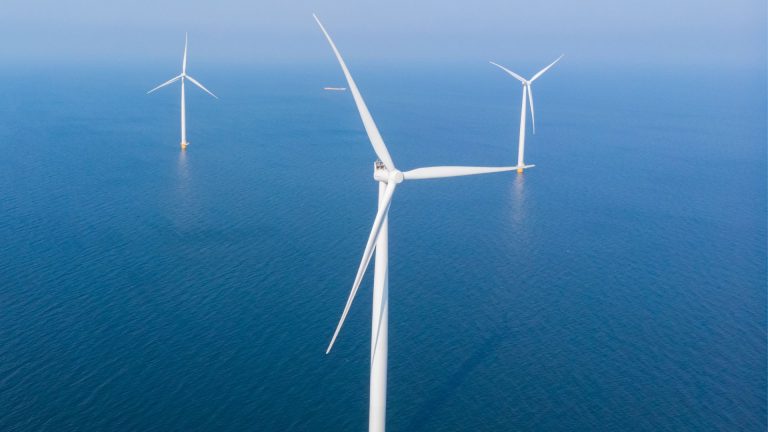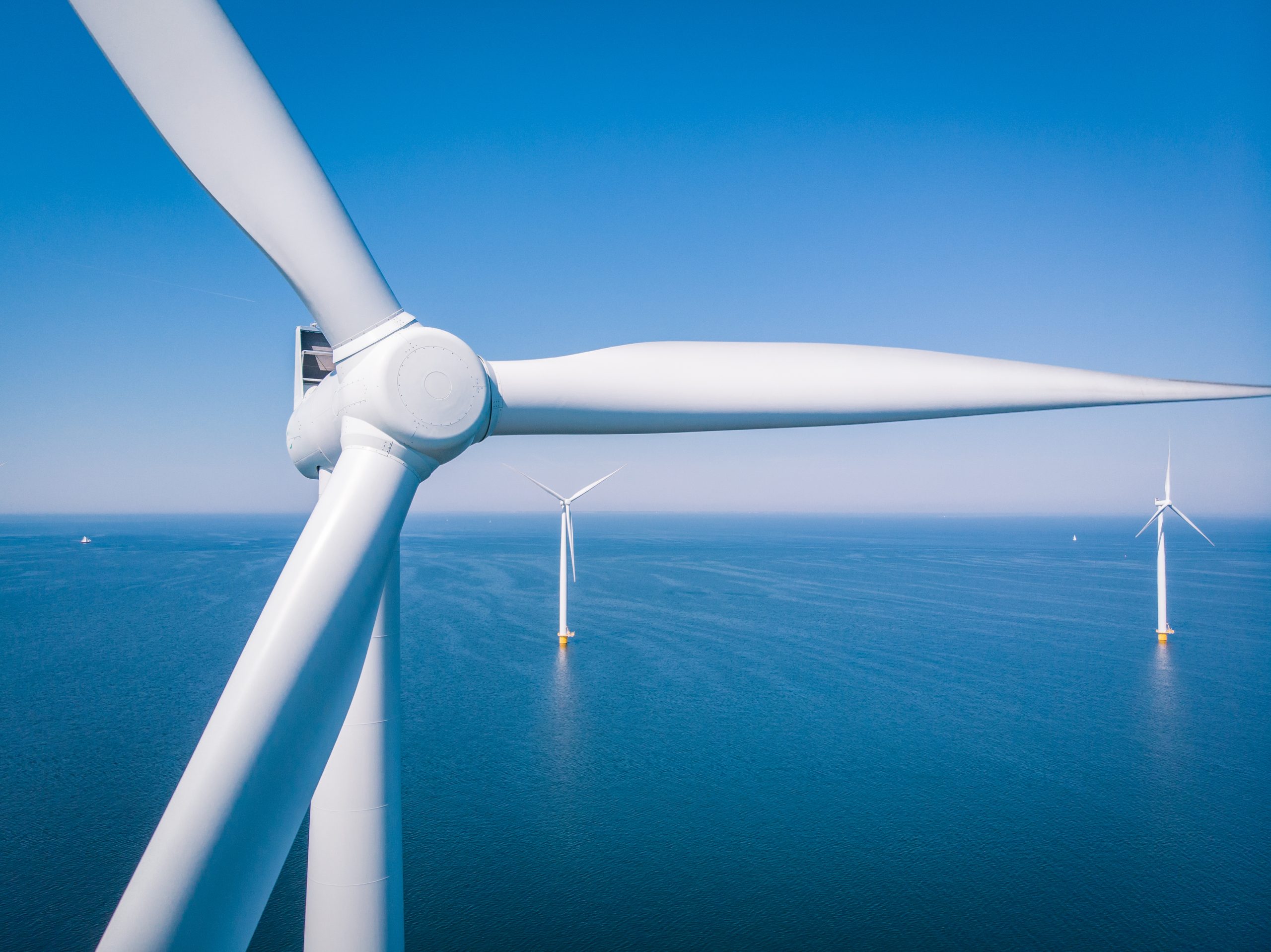
Ignitis Group and Ignitis Renewables have presented proposals to the Ministries of Energy and Finance regarding the further implementation of the Curonian Nord commercial offshore wind farm project.
In implementing the recommendations of the audit conducted by the National Audit Office last year, Ignitis Group has submitted assessments of alternative options for the further implementation of the Curonian Nord project to the relevant authorities. Considering the current market situation and the state’s financial priorities identified by the authorities, the most acceptable scenario for all stakeholders at this stage is to adjust the project’s implementation schedule, enabling its development to resume once market, financing or technological conditions change, while preserving the value created to date.
In view of this, the companies have decided to approach the Ministry of Energy regarding the steps required to enable the project to be postponed by adjusting its implementation schedule, thereby preserving the option to resume its implementation once circumstances change.
“Lithuania needs to increase its energy generation capacity from stable renewable sources, and offshore wind is one of the most stable. However, it is important to choose a course of action that not only creates the greatest value but also serves the interests of the state the best in the further development of the offshore wind farm project. We have therefore approached the Ministries of Finance and Energy so that decisions on the best scenario can be assessed in a coordinated manner, considering all relevant circumstances,” says Darius Maikštėnas, CEO of Ignitis Group.
The Curonian Nord project is approaching several important milestones: obtaining the first construction permit and implementing the recommendation of the National Audit Office to adopt a data-driven decision on the project’s further implementation, which must be implemented by the end of the year. Ignitis Group has therefore approached the Ministries of Finance and Energy, proposing that the suggested decision on the best project implementation scenario for Lithuania be assessed in a coordinated manner, with all relevant circumstances taken into account.
Key issues to be addressed include aligning the project implementation and permitting timelines with the actual duration of offshore wind farm development, linking financial commitments to the actual start of construction, accelerating procedures related to onshore infrastructure and establishing design and work organisation rules tailored to the specific characteristics of offshore wind projects.
In February 2025, Ignitis Group stated in its annual report that delays in the development of large-scale electrolysis projects across Europe had reduced opportunities to secure long-term power purchase agreements. Combined with challenges affecting the supply chain for offshore wind turbine components, this may create difficulties in financing the Curonian Nord project. It may therefore become necessary to postpone the start of the project’s commercial operations. Ignitis Renewables is currently continuing the project’s preparatory work and the investments required to obtain a construction permit in 2027.