Communities across Lithuania have once again demonstrated that they know best which ideas make their everyday lives more comfortable and connected. For four years, the international renewable energy company Ignitis Renewables has supported local initiatives in communities near its onshore wind farms. This year, engagement reached a record high: a total of 564,000 euro will be allocated to 22 projects across the Kelmė, Mažeikiai, Tauragė, Jurbarkas and Kretinga districts. This amount includes both standard funding under the company’s community support programme and additional funds allocated to Mažeikiai district through the production levy model.
“Each year we see that people want to decide for themselves which changes would bring the greatest value to their communities. Our programme creates the space for this – and the wide range of initiatives we receive, from simple maintenance tasks to creating new gathering places, clearly reflects what truly matters to local residents. The fact that, for four consecutive years, we’ve seen such strong engagement from communities adjacent to our wind farms is the clearest proof that a transparent and respectful relationship with local communities generates real and tangible benefits,” says Emilija Musteikytė, Head of the Community Engagement Team at Ignitis Renewables.
Places where neighbourhoods begin
This year’s community projects are highly diverse, yet many share a common starting point: everyday meeting places. Paths, courtyards, pavilions, swimming areas and event plazas become spaces where conversations begin, neighbours get to know each other and local traditions form. This year, residents prioritised strengthening precisely these types of spaces.
In Jurbarkas district – home to an Ignitis Renewables wind farm operating for nearly a decade – the Jovarų Alėja community has already built and equipped community premises and is now focusing on upgrading the adjacent courtyard. The area will be equipped with a children’s playground, paved surfaces, an anti-vandal storage unit and a designated, organised space for event equipment. This may seem like a small change, but it is profoundly meaningful: visitors will no longer need to trudge through mud to reach the community building, and the courtyard will become a convenient, well-maintained space for daily gatherings.
In the Kelmė region, locals have shown long-standing commitment to caring for their environment. Situated nearby is the Kelmė wind farm – one of the largest onshore wind energy projects in the Baltic region. Support from Ignitis Renewables will help the Kražiai community renovate the town’s garden and central square, a popular venue for both events and evening strolls. Ten new LED streetlights and seasonal string lights will be installed to enhance comfort and safety after dark. Nearby, the M. K. Sarbievijus Cultural Centre – which attracts thousands of visitors annually – will acquire landscaping equipment to ensure its events take place in a well-presented and orderly setting.
Meanwhile, in Kretinga district, the Vydmantai community – located near one of Ignitis Renewables’ first wind farms – continues its work improving a local quarry swimming area. Planned improvements include completing a pedestrian path around the reservoir, installing benches and adding swings. This will make the popular swimming spot more comfortable and safer, allowing residents to walk around the quarry, sit by the shore or watch the sunset. Such initiatives create an attractive destination not only for Vydmantai residents but also for visitors from surrounding towns.
“In Vydmantai, these spaces emerge directly from community initiative – we know best what our surroundings need and what will actually be used. Gathering places here develop organically, and the support we receive helps turn those ideas into reality. Step by step, we’re creating a place that’s good to live in – each year, Vydmantai becomes more vibrant, more beautiful and more welcoming,” says Simas Končius, Chair of the Vydmantai Community.
From empty rooms to hubs for connection and activity
Some of this year’s initiatives focus on adding value to the indoor spaces where people gather during winter evenings – rehearsing plays, attending clubs, organising events, or simply sharing tea and conversation. These include community centres, schools, libraries and parish halls, whose internal atmosphere often determines the vitality of an entire town. This year, many locations chose to renovate, insulate, adapt and refresh such indoor areas to make them more comfortable and inclusive.
In Kelmė district, warm and well-maintained premises are among the community’s top priorities. The Butkiškė community plans to replace windows in its community house, upgrade electrical installations, refurbish ceilings, walls and floors, install heat pumps and build a small stage for performances. These improvements will transform the previously unused second-floor rooms into a dynamic cultural and leisure hub. Similarly, the Paprūdžiai community is undertaking comprehensive renovations to ensure their community centre remains warm, energy-efficient and inviting all year round.
In Vaiduva, the community is reviving a space lost when the town’s centuries-old school branch closed. For generations, the school served as a central community anchor, but historical materials collected from it lacked a safe, permanent home. Now, on the second floor of the Vaiduva Parish of St John the Baptist, a dedicated space will be created to house both a local museum and creative workshops. Renovations will include roof repairs, new windows and doors, a modern toilet facility and an air conditioning system. The space will host educational programmes and creative activities, making local history accessible not only to residents but also to hikers and pilgrims passing through the area. The parish mortuary hall, which had been rarely used due to its poor condition, will also be refurbished.
In Kretinga district, the renovation of indoor spaces is also highly valued. The Jonas Lankutis Public Library will install a conservatory and terrace, bringing in more natural light, greenery, and an open space for educational activities, community gatherings and literary evenings. The Girkaliai Community Centre – a hub for a wide range of activities – will modernise its heating and ventilation systems to ensure greater comfort: warmer conditions in winter and cooler air in summer. The Parish of St John the Baptist in Vydmantai will use support to restore structural elements of the church tower – an investment that ensures not only the building’s safety but also preserves a key symbol of local identity.
Schools have not been left behind either: Vydmantai Gymnasium will upgrade corridor lighting and install acoustic ceilings, while Kretingalė Primary School in Klaipėda district will renovate its lighting system and install suspended ceilings. Such thoughtful details shape a learning environment where children feel comfortable, safe and inspired.
In Tauragė district, the Lauksargiai Care Home will construct an outdoor pavilion equipped with a table and twelve chairs – a safe, accessible space for seniors and people with disabilities. This area will host occupational therapy sessions, wellness activities and community meetings, or simply quiet conversations with loved ones.
Education and active engagement for all ages
Community strength lies not only in well-maintained spaces but also in opportunities to act together – learning, meeting, moving and creating. This year’s initiatives reflect a growing appreciation for meaningful activities that bring together residents of all generations.
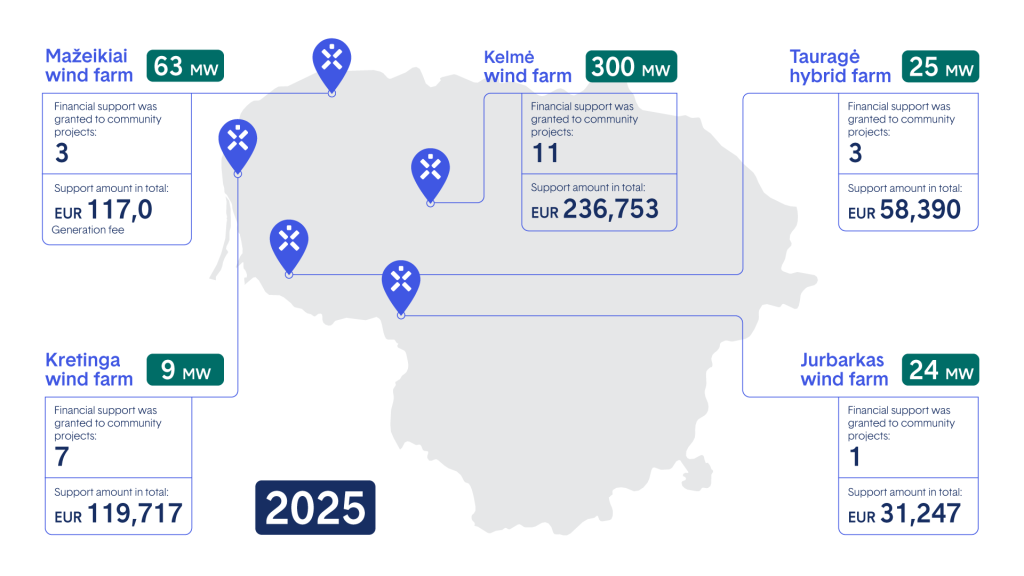
In Kelmė district, the Antivis Sports Club plans a multigenerational event series – from children to seniors. More than just a sports celebration, it offers the community a chance to connect, get to know one another or simply spend the evening meaningfully. The Kražiai community is similarly investing in physical activity by renovating its sports hall – a space used both for training and leisure. The upgraded facility will become more comfortable, safer and more inclusive for exercise and recreational programmes.
Meanwhile, in Kretinga district, the M. Valančius Public Library is expanding its educational offerings with new technologies. Residents will be able to immerse themselves in virtual reality experiences, explore nature and culture, and join discussions led by renowned nature photographer Marius Čepulis. These programmes are especially vital in smaller towns. The library is evolving into a space where generations meet – where young people discover creativity and older residents try entirely new things.
Growing partnership, side by side with communities
Not all this year’s projects focus on spatial improvements or organised activities. Many initiatives aim to build everyday human connections, support vulnerable groups and strengthen solidarity precisely where it is most needed.
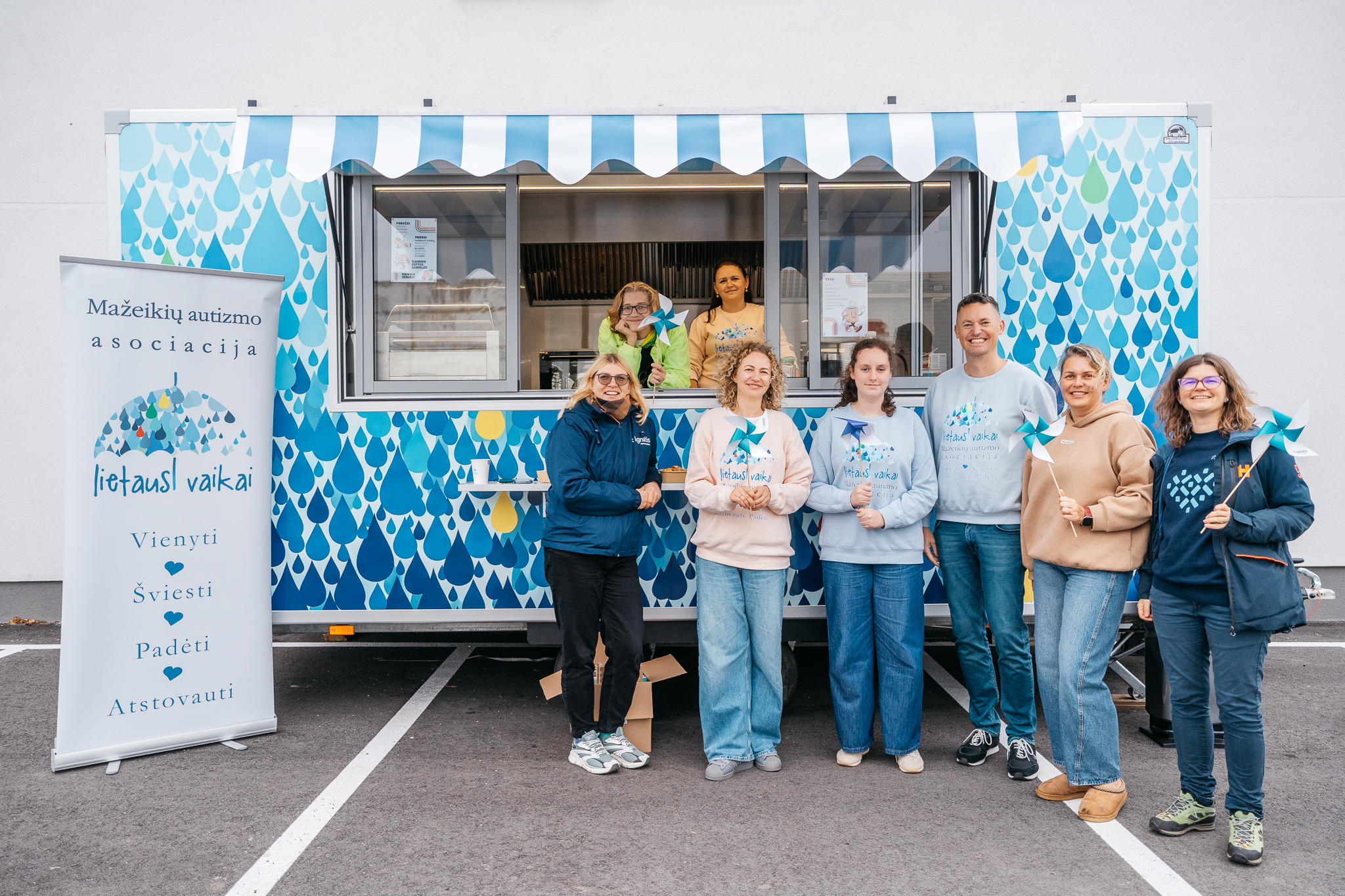
In Mažeikiai district, some community projects are funded through the production levy model – revenues collected from wind farms are distributed by the Environmental Project Management Agency to nearby residents. One such initiative is a mobile café planned by the Rainbow Children autism support association. The project will allow autistic youth to develop vocational skills, interact with customers, build self-confidence and gain first-hand experience in a real working environment. These projects matter not only for their social impact – they foster day-to-day, human-scale connections among community members.
“In every community, we see different stories – places where people want to meet, activities that bring generations closer, and initiatives born from real, everyday needs. What matters most to us is seeing how even small initiatives create tangible change: improving the living environment, bringing people together, and expanding opportunities. That is the true value of this programme – more warmth, community spirit and vitality in the places people call home,” sums up the programme Emilija Musteikytė.
The four-year partnership between Ignitis Renewables and local communities has already yielded clear results: a growing number of ideas each year, implemented projects and increasingly active citizen involvement. This collaboration is built on a simple but powerful principle: change begins when it originates from the people themselves. As a result, more and more communities are confidently proposing their ideas – and seeing them realised. This approach fosters not only more attractive public spaces, but also stronger interpersonal bonds and long-term trust.